
Abstract: Premature soldering tip failure represents a significant operational cost for electronics manufacturers and EMS providers. This technical analysis examines the five primary failure mechanisms affecting T12, 900M, and high-frequency soldering tips, providing actionable mitigation strategies for procurement and engineering professionals.
Introduction
In electronics manufacturing, soldering tip replacement constitutes a substantial portion of consumable expenditures. Industry data indicates that unoptimized tip management can increase per-unit assembly costs by 15–30% annually. While standard soldering tips are engineered for 20,000–50,000 operational cycles, premature failure frequently occurs due to preventable factors.
This article delineates the five root causes of accelerated tip degradation, offering evidence-based recommendations for extending tool lifespan and reducing total cost of ownership (TCO).
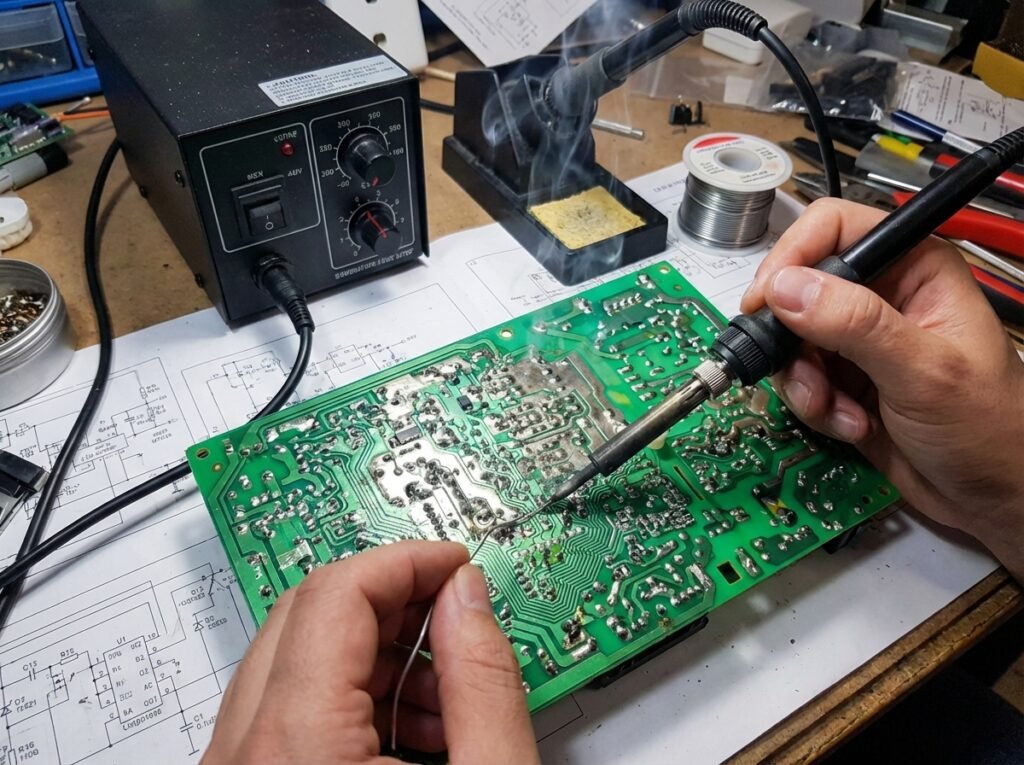
1. Oxidation at Elevated Operating Temperatures
The Mechanism
Soldering tip plating—typically iron (Fe) with nickel (Ni) and chromium (Cr) underlayers—undergoes accelerated oxidation when exposed to temperatures exceeding 400°C. The formation of iron oxide (Fe₂O₃/Fe₃O₄) layers inhibits heat transfer and compromises solder wetting capability.
Contributing Factors
| Factor | Impact |
|---|---|
| Continuous high-temperature standby | 2–3× faster oxidation rate |
| Inadequate tinning during idle periods | Unprotected plating exposure |
| Lead-free solder alloys | Higher melting points require elevated temperatures |
Mitigation Protocol
- Implement automatic standby temperature reduction (280–300°C) after 30 seconds of inactivity
- Ensure immediate tinning with lead-free solder upon cessation of operation
- Specify nano-ceramic coated tips for high-temperature applications
2. Mechanical Abrasion and Plating Compromise
The Mechanism
Physical contact between the tip and workpiece—particularly during drag soldering or rework operations—causes progressive erosion of protective plating. Once the base copper core is exposed, thermal conductivity deteriorates rapidly, and tip replacement becomes mandatory.
High-Risk Applications
- Automated soldering systems with fixed positioning
- High-volume through-hole component soldering
- Rework of multi-layer PCBs with dense component populations
Mitigation Protocol
- Select tips with hardened iron plating (≥300μm thickness) for abrasive applications
- Optimize robotic soldering parameters to minimize contact pressure
- Establish scheduled tip inspection intervals based on cycle count
3. Thermal Shock and Microstructural Fatigue
The Mechanism
Rapid temperature fluctuations—characteristic of pulsed heating systems or frequent power cycling—induce thermal stress within the composite tip structure. Repeated expansion and contraction generate microcracks at plating-substrate interfaces, culminating in delamination or catastrophic failure.
Critical Parameters
| Condition | Risk Level |
|---|---|
| Temperature ramp >50°C/second | Elevated |
| Duty cycles <10 seconds on/off | Elevated |
| Inadequate preheating of high-mass assemblies | Moderate–Elevated |
Mitigation Protocol
- Utilize induction heating systems with controlled ramp rates
- Implement minimum on-cycle durations (≥15 seconds) where process-permissible
- Specify tips engineered for high-frequency thermal cycling (RF series)
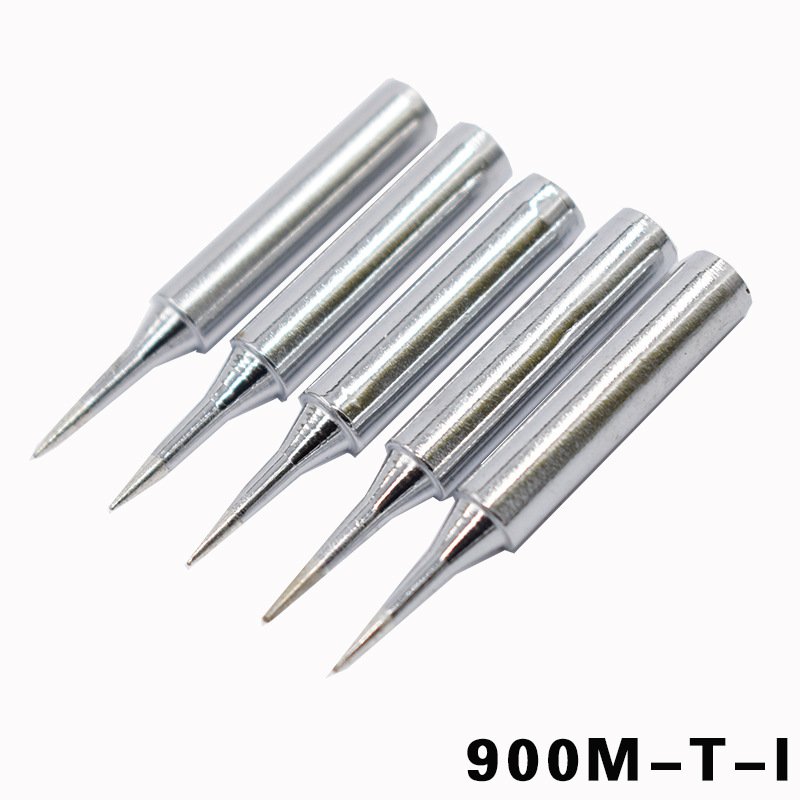
4. Corrosive Flux Chemistry
The Mechanism
Modern no-clean and water-soluble flux formulations contain aggressive activators (halides, organic acids) that chemically attack tip plating. Residual flux accumulation at the meniscus accelerates localized corrosion, producing characteristic “pitting” or “necking” failure modes.
Flux Classification and Corrosivity
| Flux Type | Activator Content | Relative Tip Wear |
|---|---|---|
| R (Rosin, low activity) | <0.5% halide | Low |
| RMA (Rosin, mildly activated) | 0.5–2.0% halide | Moderate |
| RA (Rosin, activated) | >2.0% halide | High |
| Water-soluble (OA) | Organic acids | High–Very High |
Mitigation Protocol
- Match tip plating specification to flux chemistry (corrosion-resistant alloys for OA fluxes)
- Implement automated tip cleaning systems with appropriate media
- Establish maximum dwell time limits for flux exposure
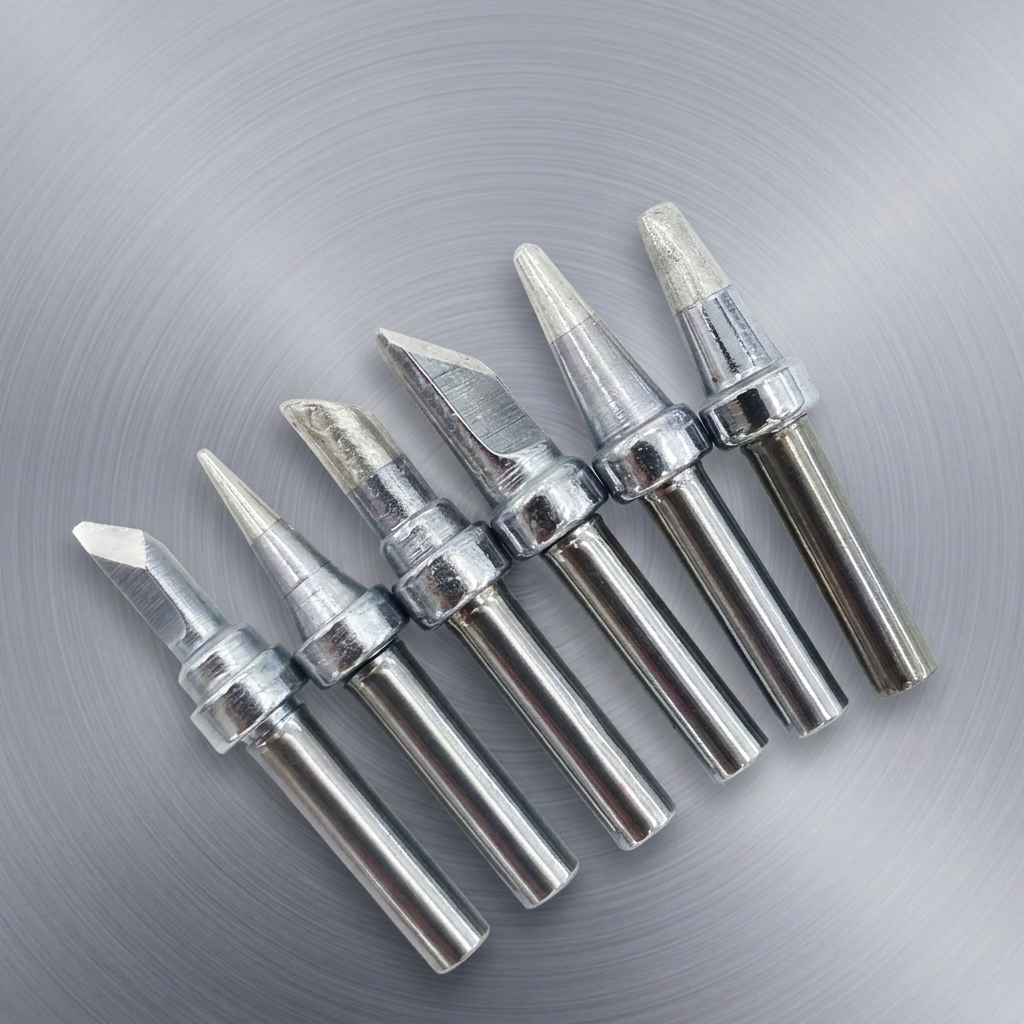
5. Incompatible Solder Alloy Specification
The Mechanism
The transition to lead-free soldering (RoHS/WEEE compliance) necessitates operational temperatures 30–40°C higher than traditional Sn63/Pb37 alloys. Tips designed for eutectic leaded solder exhibit accelerated dissolution and erosion when subjected to lead-free thermal profiles.
Alloy-Specific Considerations
| Solder Alloy | Melting Point | Recommended Tip Specification |
|---|---|---|
| Sn63/Pb37 | 183°C | Standard iron-plated |
| Sn96.5/Ag3.0/Cu0.5 (SAC305) | 217–220°C | High-iron content, optimized geometry |
| Sn95/Sb5 | 235–240°C | Premium high-temperature grade |
| Sn90/Au10 (die attach) | 280°C | Specialized composite plating |
Mitigation Protocol
- Audit tip specifications against current solder alloy inventory
- Transition to lead-free optimized tip geometries (reduced thermal mass, enhanced wetting surfaces)
- Maintain segregated tip inventories for mixed-alloy production environments
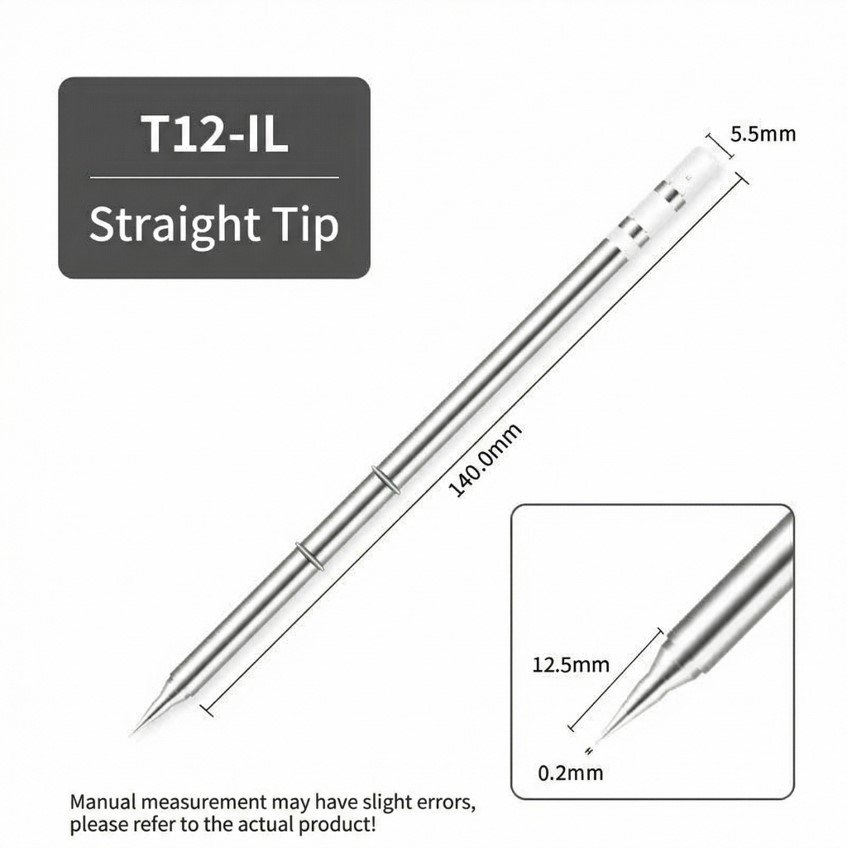
Economic Impact Assessment
Cost Analysis Framework
| Failure Mode | Estimated Cost Impact | Preventability |
|---|---|---|
| Oxidation-related | 25–35% of tip budget | High |
| Mechanical wear | 20–30% of tip budget | Moderate |
| Thermal fatigue | 15–20% of tip budget | Moderate–High |
| Flux corrosion | 10–15% of tip budget | High |
| Alloy incompatibility | 10–20% of tip budget | Very High |
Return on Investment
Implementation of comprehensive tip management protocols typically yields:
- 30–50% reduction in annual tip consumption
- 15–25% improvement in first-pass yield
- 20–40% decrease in process downtime for tip changeover
Conclusion
Premature soldering tip failure is predominantly attributable to addressable operational and specification factors. Electronics manufacturers and EMS providers are advised to conduct systematic audits of thermal profiles, flux chemistries, and alloy specifications against current tip inventories.
Procurement professionals should prioritize supplier partnerships capable of providing application-engineered solutions, technical support, and documented quality certifications. The implementation of preventive protocols outlined herein will materially reduce consumable expenditures while enhancing process consistency.
Technical Resources
For detailed specifications on oxidation-resistant and high-temperature soldering tip solutions, please consult our technical documentation or contact our engineering support team.
[Request Technical Specifications] | [Schedule Application Consultation]
KIW Soldering provides industrial-grade T12, 900M, and custom soldering tip solutions for electronics manufacturers worldwide. ISO 9001 certified. OEM/ODM services available.